



Every year, across the endless plains of East Africa, one of nature’s most extraordinary journeys begins.
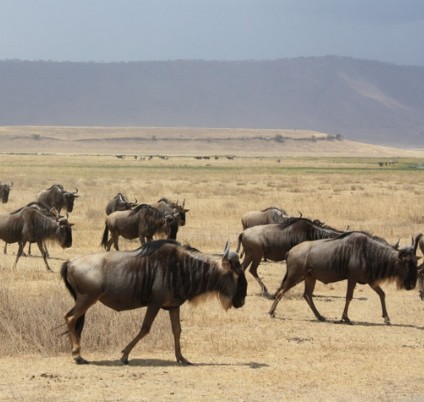
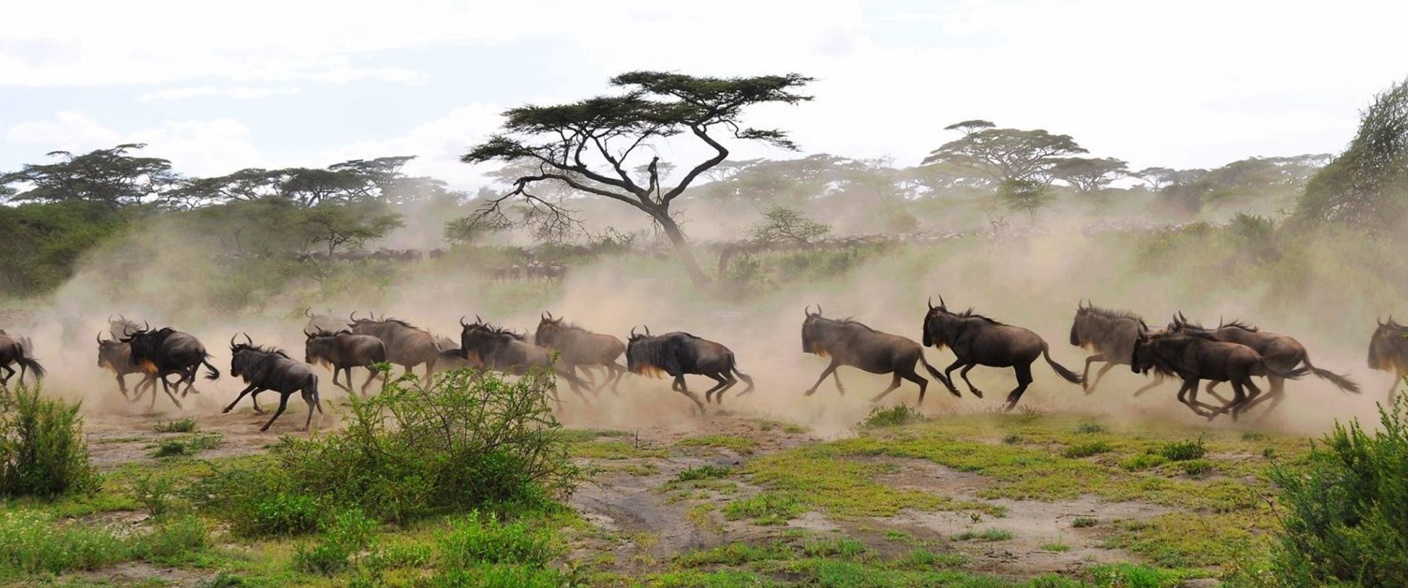
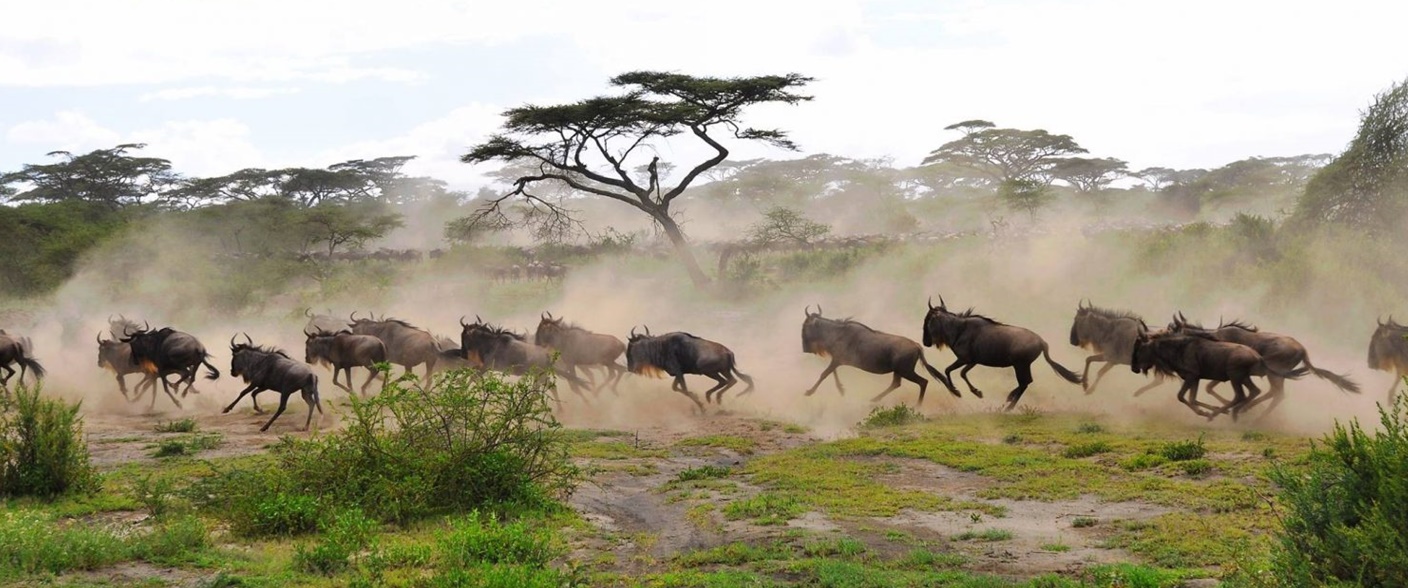
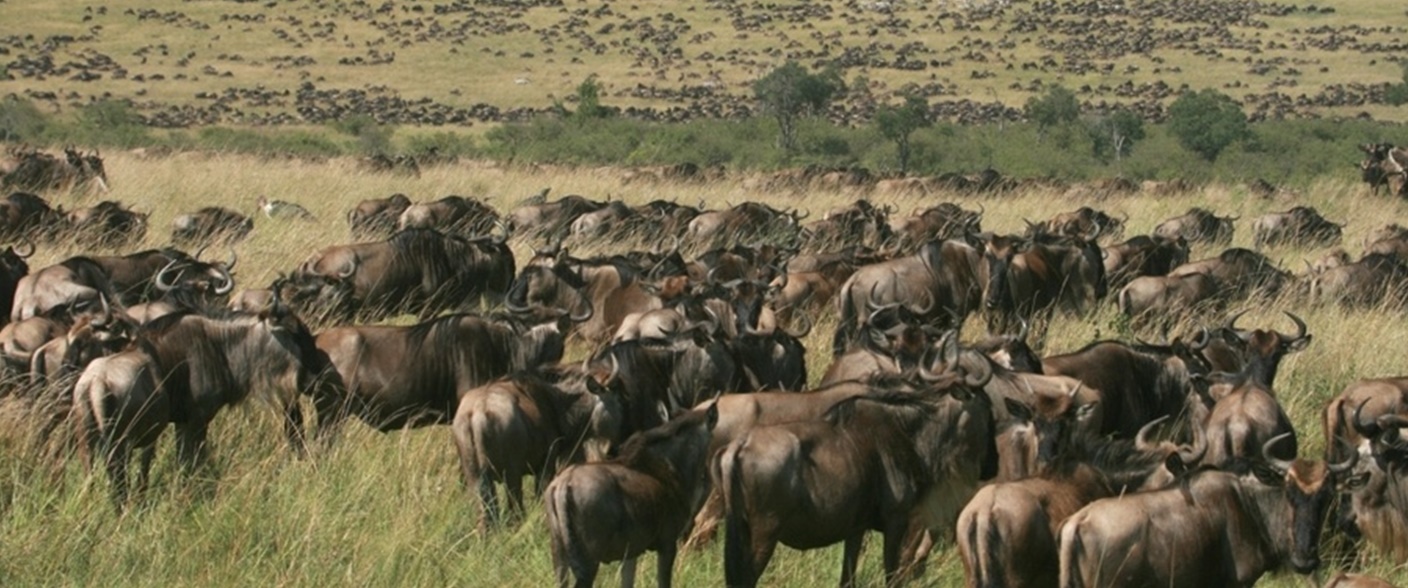
Millions of wildebeest.
Hundreds of thousands of zebras.
Countless other animals following ancient rhythms that have existed for generations.
The Great Migration is not simply a wildlife event—it is a powerful reminder of the connection between animals, landscapes, and survival.
Stretching between Tanzania’s Serengeti National Park and Kenya’s Maasai Mara National Reserve, this incredible movement of life is considered one of the greatest natural spectacles on Earth.
A Journey Written by Nature
The Great Migration is driven by one simple need: survival.
As seasons change, vast herds move across the plains in search of fresh grass and water.
The journey follows a circular route through the Serengeti-Mara ecosystem, covering thousands of kilometers throughout the year.
Along the way, the herds face challenges from:
- Changing weather
- Rivers and difficult terrain
- Natural predators
- The constant search for food
Yet this annual movement continues, following patterns that have shaped the landscape for centuries.
The Migration Through the Year
The Great Migration does not happen on one specific day.
It is a continuous natural cycle.
January – March: The Calving Season
In the southern Serengeti, thousands of calves are born during this period.
The landscape transforms as new life begins, attracting predators such as lions, cheetahs, and hyenas.
It is one of the most powerful times to witness the circle of life.
April – June: The Journey North Begins
As grazing areas change, herds begin moving north through the Serengeti.
This period offers dramatic landscapes, large gatherings of animals, and excellent opportunities for wildlife viewing.
July – October: The River Crossings
Perhaps the most famous moment of the migration occurs as herds approach rivers along the Tanzania-Kenya border.
The Mara River crossings are dramatic and unpredictable.
Thousands of animals gather before making the challenging crossing, while predators wait nearby.
It is nature unfolding without a script.
November – December: Returning South
As rains return to the southern Serengeti, the herds begin their journey back toward fresh grazing areas.
The cycle continues.
More Than Wildebeest
Although wildebeest are the stars of the migration, they are not alone.
The movement supports an entire ecosystem.
Travelers may encounter:
- Zebras traveling alongside the herds
- Lions following hunting opportunities
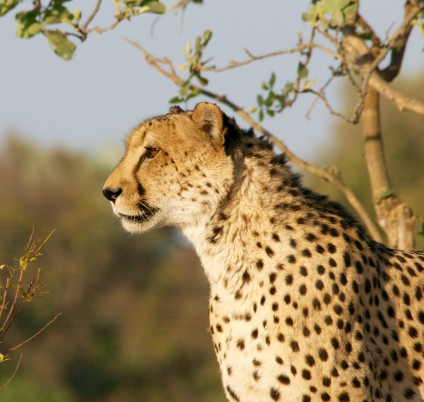
- Cheetahs searching the open plains
- Crocodiles waiting in rivers
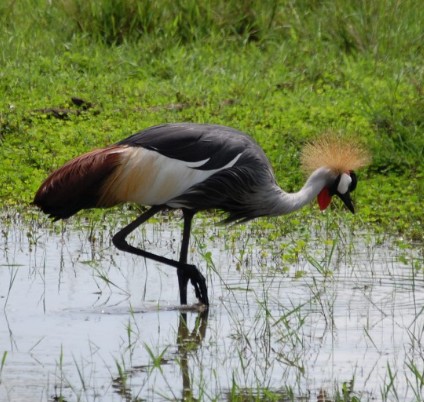
- Birds and smaller animals benefiting from the movement
The migration is a reminder that nature exists as a connected system.
Experiencing the Migration Responsibly
Witnessing the Great Migration is a privilege.
Responsible safari practices help protect this incredible ecosystem by:
- Following park guidelines
- Respecting wildlife distances
- Traveling with knowledgeable guides
- Supporting conservation-focused tourism
The goal is not only to witness the spectacle but to help preserve it.
When Is the Best Time to See the Great Migration?
The best time depends on what you want to experience.
- Calving season: January to March in the southern Serengeti
- Herd movement: April to June across central Serengeti
- River crossings: Usually July to October in the northern Serengeti and Maasai Mara
Because wildlife follows natural patterns, exact timing can vary each year.
This is why local knowledge is essential when planning a migration safari.
A Journey You Never Forget
The Great Migration is more than thousands of animals moving across a landscape.
It is the sound of hooves across open plains.
The silence before a river crossing.
The golden light of sunrise over endless grasslands.
It is a moment when travelers witness nature operating on its own terms.
And once experienced, it becomes a story carried forever.
Comment (0)
Leave A Comment: