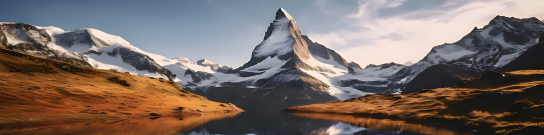





Some landscapes become symbols of an entire continent.
For many travelers, Kenya is that symbol.
The golden plains of the Maasai Mara, the silhouette of elephants beneath Mount Kilimanjaro, the call of wildlife at sunrise—these are the images that have inspired generations of explorers to discover East Africa.
But Kenya is more than a famous safari destination.
It is a place where ancient traditions, dramatic landscapes, diverse wildlife, and modern travel experiences come together to create journeys that stay with you long after you leave.
The Maasai Mara: A Front Row Seat to Nature’s Greatest Drama
The Maasai Mara National Reserve is one of Africa’s most celebrated wildlife destinations.
Its endless grasslands provide a home for an incredible variety of animals, including:
- Lions
- Leopards
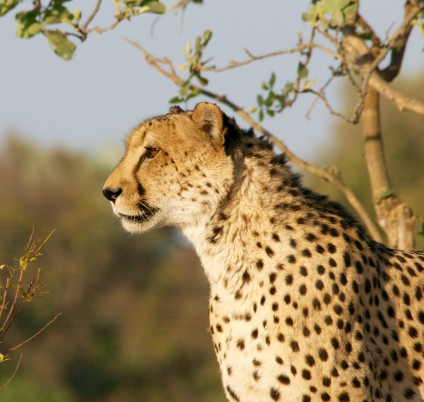
- Cheetahs
- Elephants
- Buffalo
- Giraffes
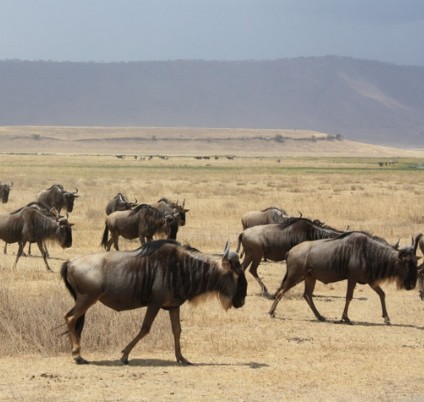
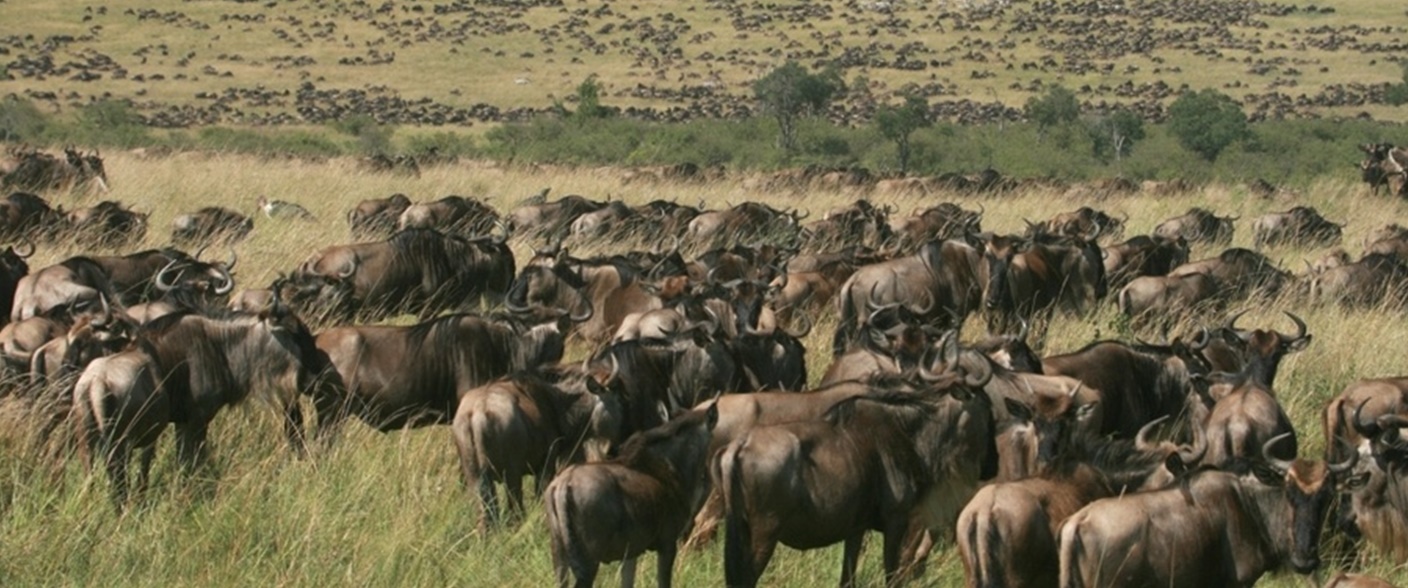
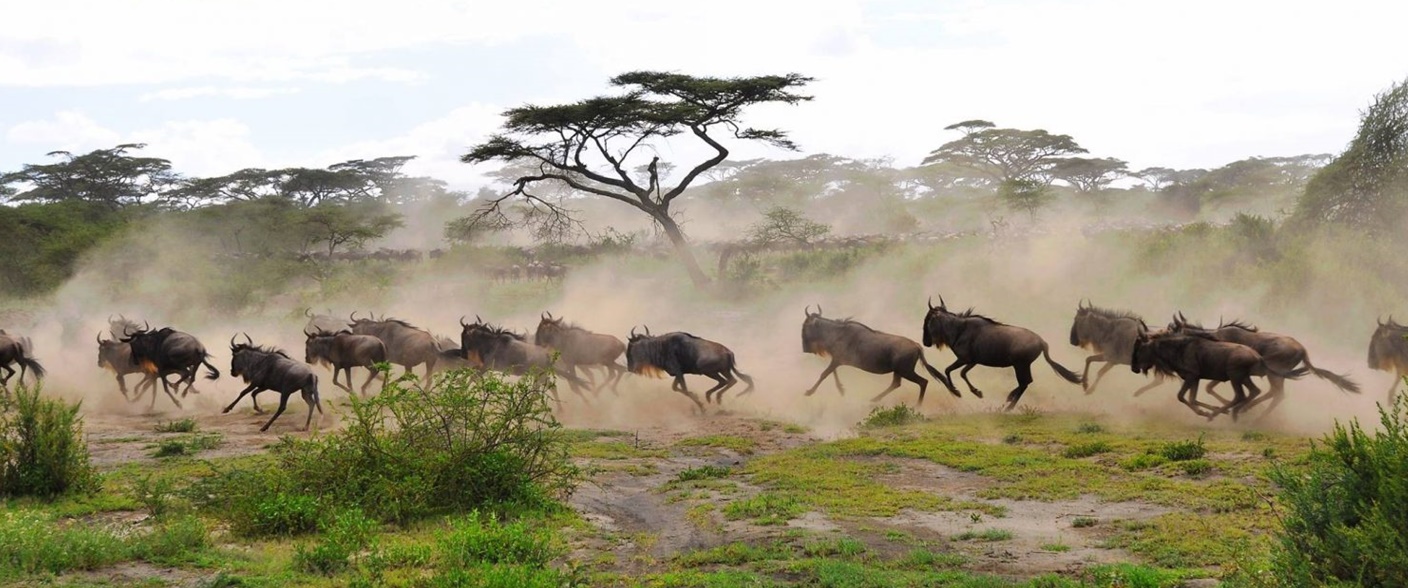
- Thousands of migratory wildebeest and zebras
The Mara is especially famous for its role in the Great Migration, when millions of animals move between Tanzania’s Serengeti and Kenya’s Maasai Mara in search of fresh grazing.
The dramatic river crossings are among nature’s most powerful spectacles, but the true beauty of the Mara is found throughout the year—in quiet moments watching predators move through the grass, elephants gather at watering holes, or the savannah glow under the evening sun.
Amboseli: Giants Beneath Africa’s Highest Mountain
Few safari scenes are as iconic as elephants walking across the plains of Amboseli National Park with Mount Kilimanjaro rising in the distance.
Located near Kenya’s southern border, Amboseli is famous for its large elephant populations and breathtaking views.
Here, travelers experience a unique combination:
- Close wildlife encounters
- Open landscapes
- Cultural connections
- Incredible photography opportunities
The relationship between people, wildlife, and the surrounding environment is central to the Amboseli experience.
Beyond the Big Five
While Kenya is famous for the Big Five, the country's wildlife story is much richer.
Travelers can discover:
- Flamingos around the Great Rift Valley lakes
- Rare northern species in Samburu
- Marine life along the Indian Ocean coast
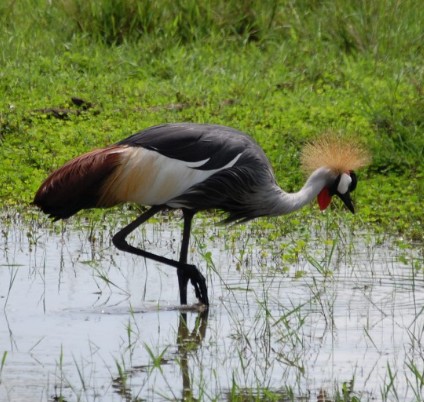
- Birdlife across diverse ecosystems
From forests and mountains to deserts and beaches, Kenya offers remarkable variety.
The Spirit of Kenya’s People
A journey through Kenya is also a journey through its cultures.
The Maasai communities are among the most recognized cultural groups in East Africa, with traditions deeply connected to the land and wildlife around them.
Responsible cultural experiences create opportunities for visitors to learn, share, and appreciate traditions while supporting local communities.
Beyond the Maasai, Kenya is home to many communities, each contributing to the country's rich identity.
Safari Meets the Coast
One of Kenya’s greatest advantages is the ability to combine wildlife adventures with coastal escapes.
After days exploring the savannah, travelers can continue to destinations such as:
- Diani Beach
- Mombasa
- Lamu Island
- Watamu
The transition from safari landscapes to turquoise Indian Ocean waters creates a beautifully balanced East African journey.
When Is the Best Time to Visit Kenya?
Kenya is a year-round destination.
The dry seasons, typically from June to October and January to March, are popular for wildlife viewing as animals gather around water sources and vegetation is thinner.
The migration follows natural patterns, so timing depends on the specific experience travelers hope to witness.
The green seasons bring dramatic skies, lush landscapes, excellent photography, and fewer visitors.
Kenya: A Classic Safari, Reimagined
Kenya’s greatest strength is its ability to offer both the iconic and the unexpected.
It delivers the moments travelers dream about—the lion on the plains, the elephant beneath Kilimanjaro, the endless horizon—but it also offers deeper experiences through culture, landscapes, and connection.
A Kenyan journey is not simply about seeing wildlife.
It is about experiencing a living landscape where nature, people, and stories have been connected for generations.
Comment (0)
Leave A Comment: