




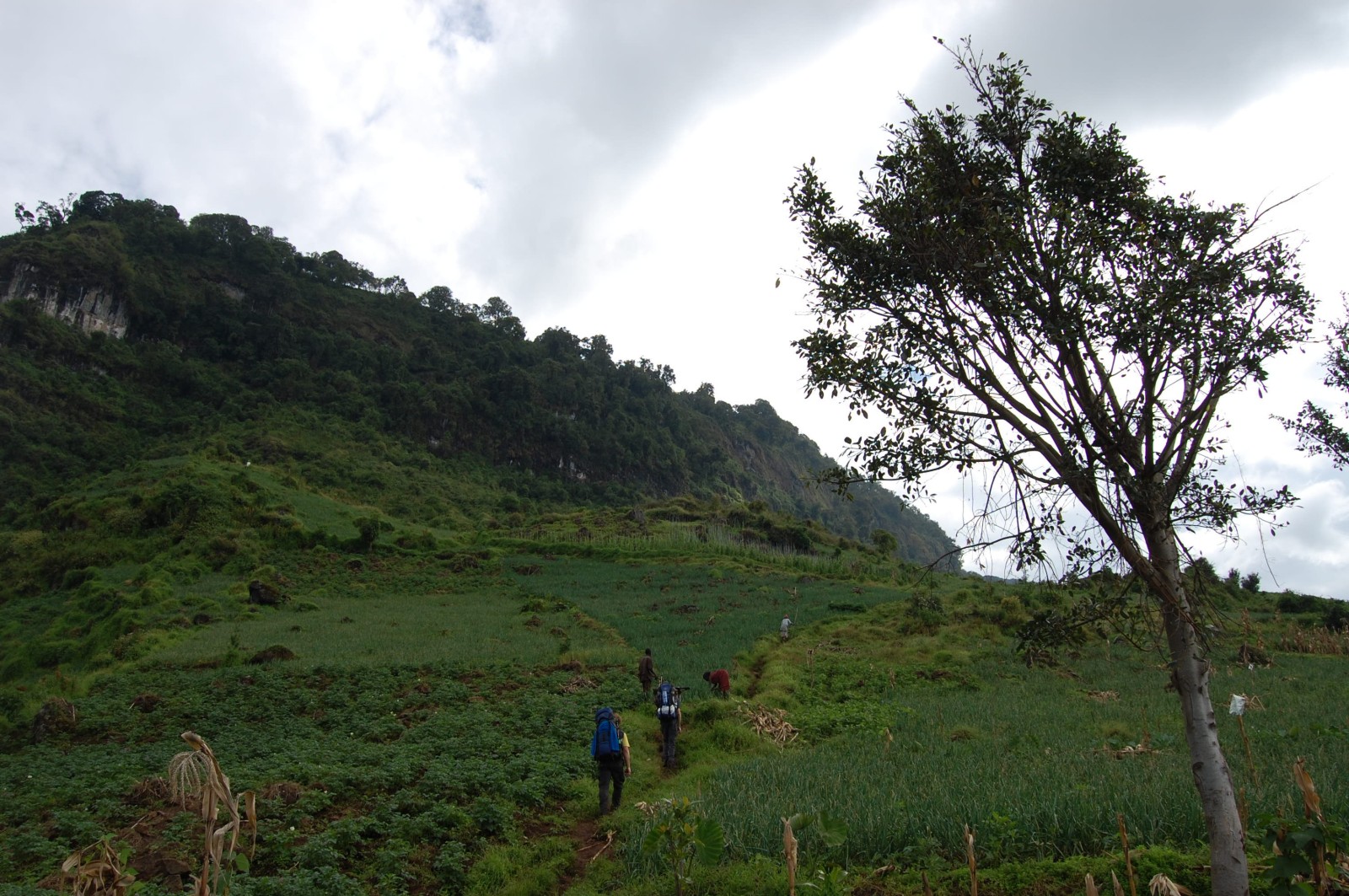

The most meaningful journeys do not simply take us somewhere new.
They leave something valuable behind.
Across East Africa, the landscapes that inspire travelers—the ancient forests, open savannahs, mountains, rivers, and coastlines—are also fragile ecosystems that require care and protection.
Responsible travel is about understanding that every journey has an impact.
It is about exploring with respect, supporting conservation efforts, and ensuring that future generations can experience the same natural wonders that inspire us today.
Travel That Supports Conservation
East Africa is home to some of the world's most iconic wildlife experiences.
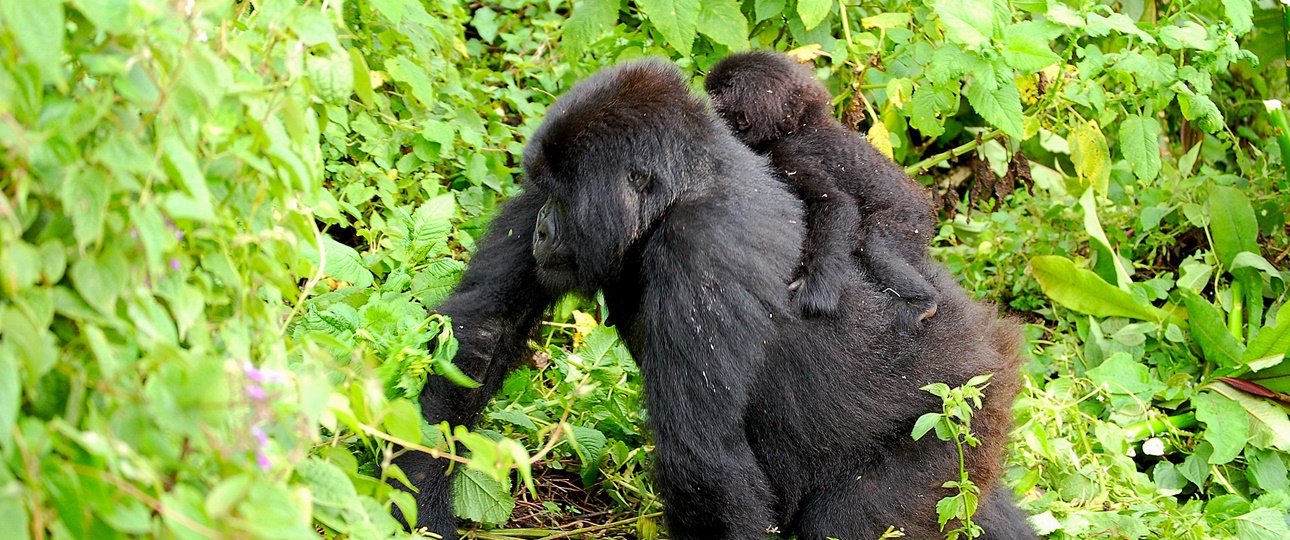
Mountain gorillas in Uganda and Rwanda.
Elephants roaming Kenya and Tanzania's wilderness.
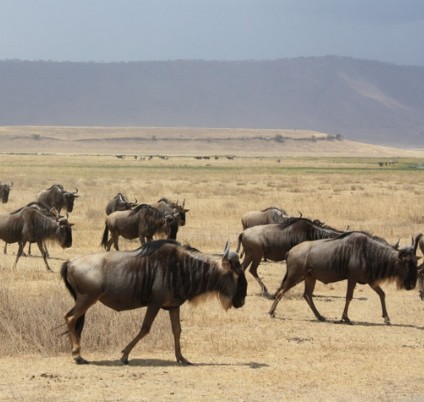
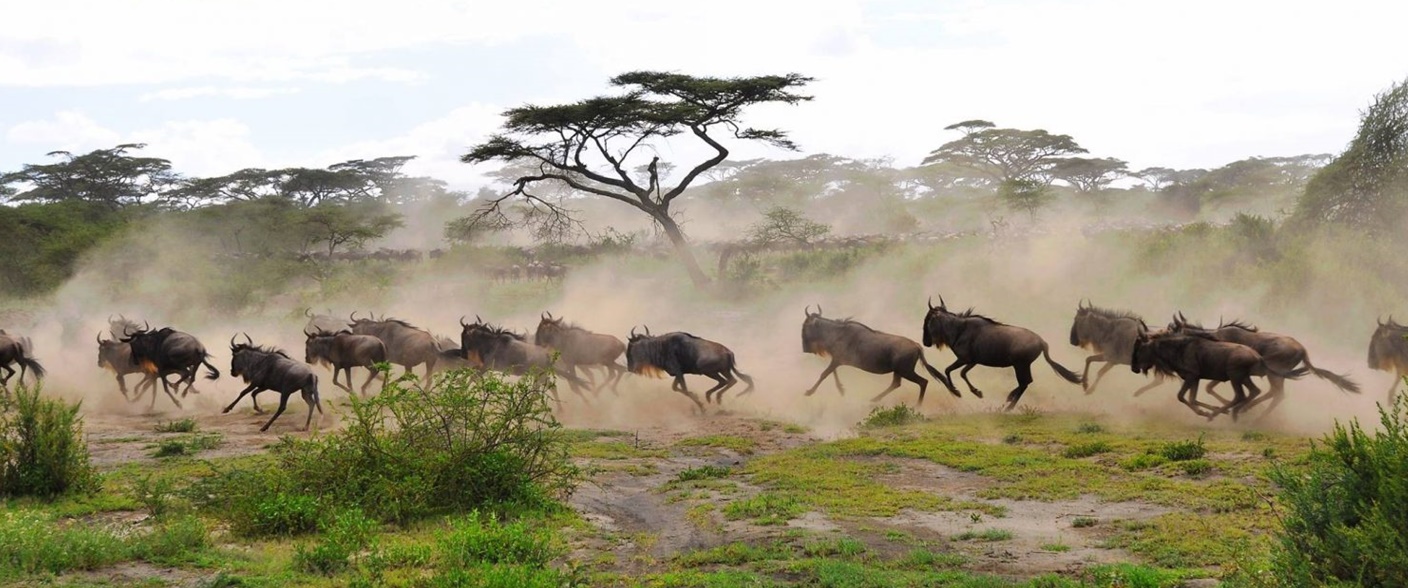
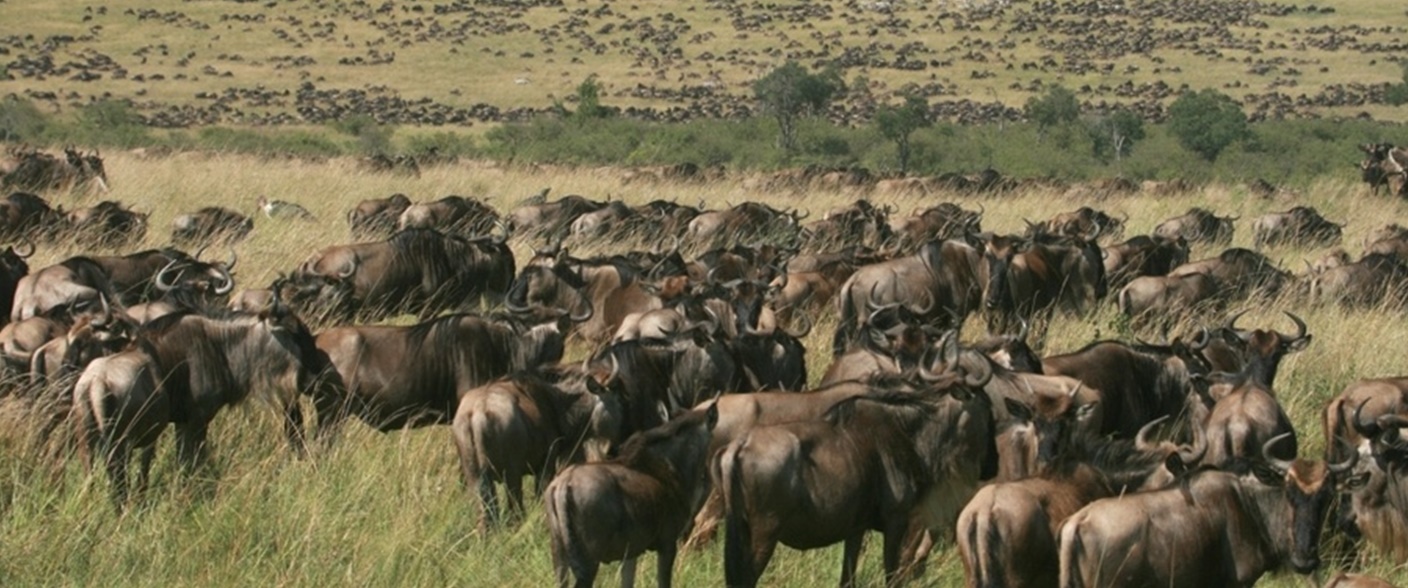
The Great Migration across the Serengeti and Maasai Mara.
These experiences exist because of decades of conservation work involving governments, conservation organizations, local communities, and dedicated individuals working to protect these environments.
Tourism plays an important role by helping fund conservation initiatives and creating economic value around protecting nature.
When wildlife and natural areas are valued, they have a stronger future.
Communities at the Heart of Conservation
Conservation is not only about protecting animals.
It is also about supporting the people who live alongside these incredible landscapes.
Many communities around East Africa's protected areas have deep connections with the land and wildlife.
Responsible tourism can support communities through:
- Local employment opportunities
- Cultural experiences
- Community-based projects
- Local businesses and suppliers
- Conservation education
When travelers engage respectfully with communities, tourism becomes a bridge between cultures.
Respecting Wildlife Encounters
A memorable wildlife experience begins with respect.
Whether observing gorillas in the forest or watching elephants on the savannah, responsible travelers understand the importance of:
- Maintaining safe distances
- Following guide instructions
- Avoiding disturbance to animals
- Respecting park regulations
- Protecting natural environments
The goal is not simply to see wildlife.
It is to experience it in a way that protects its future.
Choosing Sustainable Experiences
Small decisions can make a meaningful difference.
Travelers can contribute by choosing:
- Eco-conscious lodges
- Responsible tour operators
- Local guides
- Community-supported experiences
- Conservation-focused activities
Many accommodations across East Africa are embracing sustainable practices through renewable energy, reduced waste, local sourcing, and environmental protection programs.
Beyond "Leaving No Trace"
Responsible travel is often described as leaving no trace.
But the greatest journeys aim for something more:
Leaving a positive trace.
A meaningful safari can create connections:
Between travelers and local communities.
Between visitors and nature.
Between today's experiences and tomorrow's conservation efforts.
The Future of African Travel
The future of tourism depends on protecting the destinations we love.
As more travelers seek authentic and meaningful experiences, responsible tourism is becoming central to how people explore the world.
The forests, wildlife, cultures, and landscapes of East Africa are not just attractions.
They are living ecosystems with stories, histories, and futures.
Travel With Purpose
A journey through East Africa is an opportunity to discover extraordinary places while becoming part of their protection.
Every responsible choice matters.
Every respectful encounter matters.
Every traveler has a role in preserving the wild places that make Africa unforgettable.

Comment (01)
admin
1 year agosdfsdf
Leave A Comment: